Skip to content
D-FENCE Electronic Fencing and Security Systems Ltd.D-FENCE Electronic Fencing and Security Systems Ltd.

The threat · Glass balustrades climbed at night?

D-Glass

Turns a glass balustrade or glass wall into an intrusion detection system, without adding a single bar to the view.

Open design
Climb and glass-break alarmCapping in steel or aluminiumRS232 / RS485
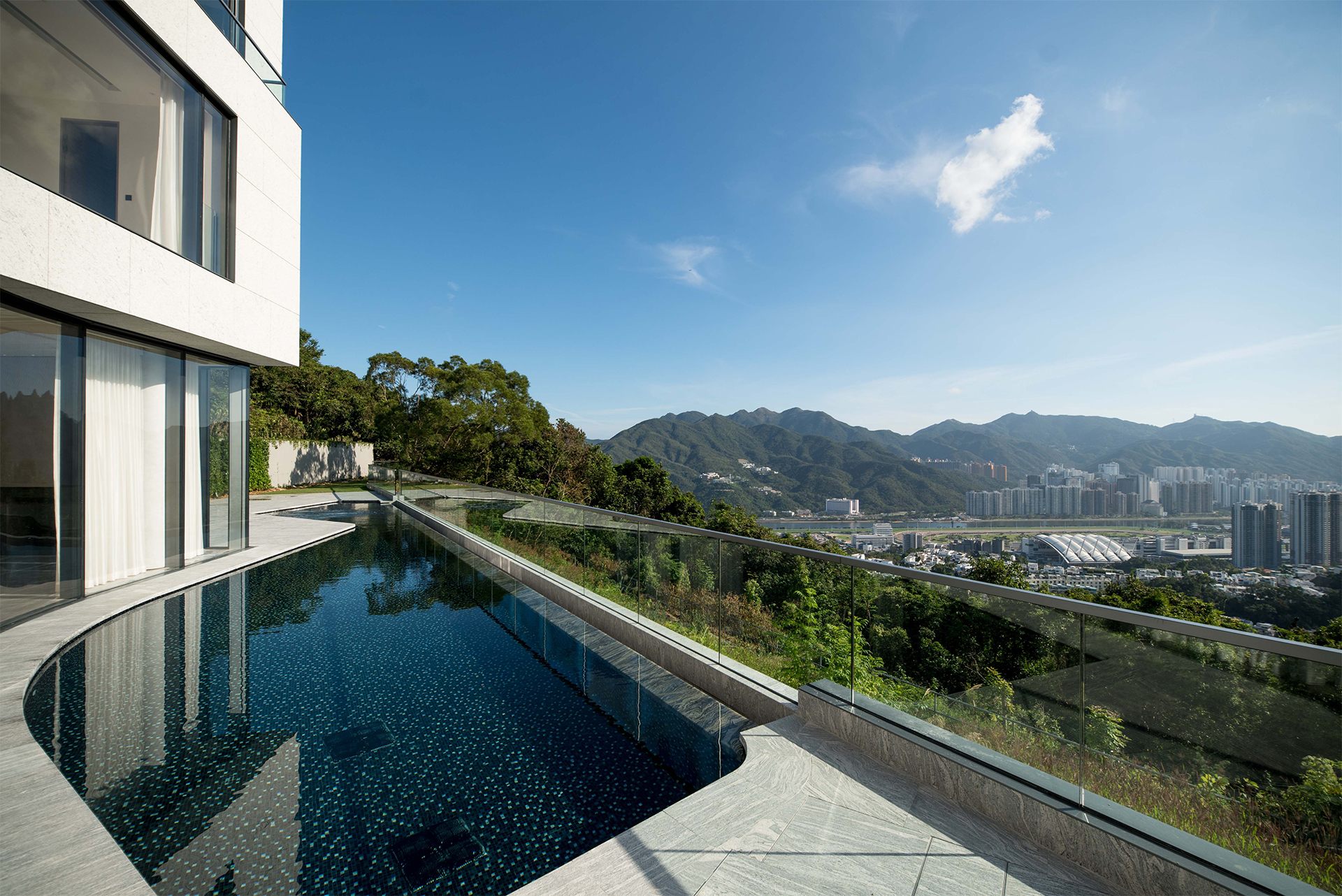
Hillside villa terrace with an infinity pool; a frameless glass balustrade with a slim metal capping runs along the edge above the valley and city

Keep the view. Stop the climb.

D-Glass brings intrusion detection to glass fences, balustrades and walls. D-FENCE strain-gauge sensors are either built into the sensor posts that hold the glass panels, or integrated into a metal capping on top of the glass. The result is an electronic perimeter that looks like an ordinary balustrade.

01

Security you cannot see

The detection is inside the capping or posts; the glass stays clear.

02

Alarms on climbers, not on guests

A climber's weight alarms; a hand on the rail does not.

03

Designed with the architect

Capping material and profile are chosen to match the building.

When someone climbs over the balustrade, the sensors feel his weight and raise an alarm; the newest D-FENCE decks add an alarm when the glass panels are broken. Touching or leaning on the capping does not trigger it. The capping comes in stainless steel, aluminium alloy or a metal coating, with an exterior designed to match the building.

D-Glass protects terraces, balconies and pool edges of homes and hotels, and glass partitions in museums and galleries. The alarm goes to the alarm panel, cameras, siren and floodlights, a phone app or the control room.

From the first touch to the right response.

  1. Glass sensor

    Strain-gauge sensors in the capping or in the posts between the panels.

  2. Climb or break

    Weight on the capping or force on a panel changes the load the sensor reads.

  3. Controller

    The alarm leaves as a dry contact or RS232 / RS485 message.

  4. Local trigger

    Cameras, siren and floodlight react on site.

  5. Notification

    The phone app, the control room and D-Command Control receive the event.

Seen in full.

Every image opens full size. Product sheets are shown whole, exactly as D-FENCE publishes them.

Specifications & documents.

SpecificationsD-Glass
Installation
On top of the glass balustrade (sensors in a metal capping) or on the sensor posts between the glass panels
Detects
Climbing over the balustrade; breaking the glass panels
Nuisance immunity
Touching or leaning on the capping does not trigger an alarm
Capping materials
Stainless steel, aluminium alloy, metal coating (stone listed in the D-Fence Brochure)
Capping design
Customised to the project
Detection force (residential range)
Standard 25 kg
Length of detection zone (residential range)
Max. 60 m
Processing unit (residential range)
Max. 16 sensors
Dry contact (residential range)
N.O. & N.C., 1A@12VDC
Power supply (residential range)
105mA@12VDC
Communication output
RS232 / RS485
Operating temperature
+72 °C to −25 °C (162 °F to −13 °F)
Humidity
> 95%
Protection standards
MIL-T-152 anti-corrosion; MIL-STD-9094 transients; MIL-STD-461, 462 EMI / RFI
False alarm rate (catalogue)
Less than 1 per km per 3 months
MTBF
4.7 × 10⁸ h

Specification text, ready for your tender.

Copy it into your specification. It describes the system by what it must do, so any alternative has to meet every point.

D-GlassTender specification textDatasheet
  1. General

    The system shall be D-Glass by D-FENCE Electronic Fencing and Security Systems Ltd. (ISO 9001:2015 certified quality management), or an approved equivalent that meets every requirement in this section.

  2. Function

    Turns a glass balustrade or glass wall into an intrusion detection system, without adding a single bar to the view.
  3. The system shall provide

    • Two ways to fit: Sensors in the posts between the glass panels, or inside a metal capping on top of the glass.
    • Climb and break: Alarm when an intruder climbs over the balustrade or breaks the glass panels.
    • Leaning is not an alarm: Touching or leaning on the capping does not trigger it.
    • Capping to your design: Stainless steel, aluminium alloy or metal coating; exterior design customised.
    • Terraces to museums: Balconies, terraces, pool fences, glass walls, museums and galleries.
    • Integrates: Dry contact and RS232 / RS485 into alarm panels, CCTV, lighting and D-Command Control.
  4. Technical requirements

    • Installation: On top of the glass balustrade (sensors in a metal capping) or on the sensor posts between the glass panels
    • Detects: Climbing over the balustrade; breaking the glass panels
    • Nuisance immunity: Touching or leaning on the capping does not trigger an alarm
    • Capping materials: Stainless steel, aluminium alloy, metal coating (stone listed in the D-Fence Brochure)
    • Capping design: Customised to the project
    • Detection force (residential range): Standard 25 kg
    • Length of detection zone (residential range): Max. 60 m
    • Processing unit (residential range): Max. 16 sensors
    • Dry contact (residential range): N.O. & N.C., 1A@12VDC
    • Power supply (residential range): 105mA@12VDC
    • Communication output: RS232 / RS485
    • Operating temperature: +72 °C to −25 °C (162 °F to −13 °F)
    • Humidity: > 95%
    • Protection standards: MIL-T-152 anti-corrosion; MIL-STD-9094 transients; MIL-STD-461, 462 EMI / RFI
    • False alarm rate (catalogue): Less than 1 per km per 3 months
    • MTBF: 4.7 × 10⁸ h
  5. Detection sequence

    1. Glass sensor: Strain-gauge sensors in the capping or in the posts between the panels.
    2. Climb or break: Weight on the capping or force on a panel changes the load the sensor reads.
    3. Controller: The alarm leaves as a dry contact or RS232 / RS485 message.
    4. Local trigger: Cameras, siren and floodlight react on site.
    5. Notification: The phone app, the control room and D-Command Control receive the event.
  6. Submittals

    Before installation, the contractor shall submit the manufacturer's datasheet, the installation instructions and the zone layout for approval.

Discuss your project.

Tell us the site, the threat and the line. D-FENCE engineers will propose the right barrier, sensor and platform, ready for your integrator.
Build the full line.