01 / 03
Measure
A strain-gauge pressure sensor measures real force on the barrier, not a vibration signature.


A strain gauge measures real force on the barrier and recalibrates itself to the environment every second. It classifies cut, climb or forced entry, with zone and coordinate, and hands the alarm to your PSIM or VMS in under 3 seconds.
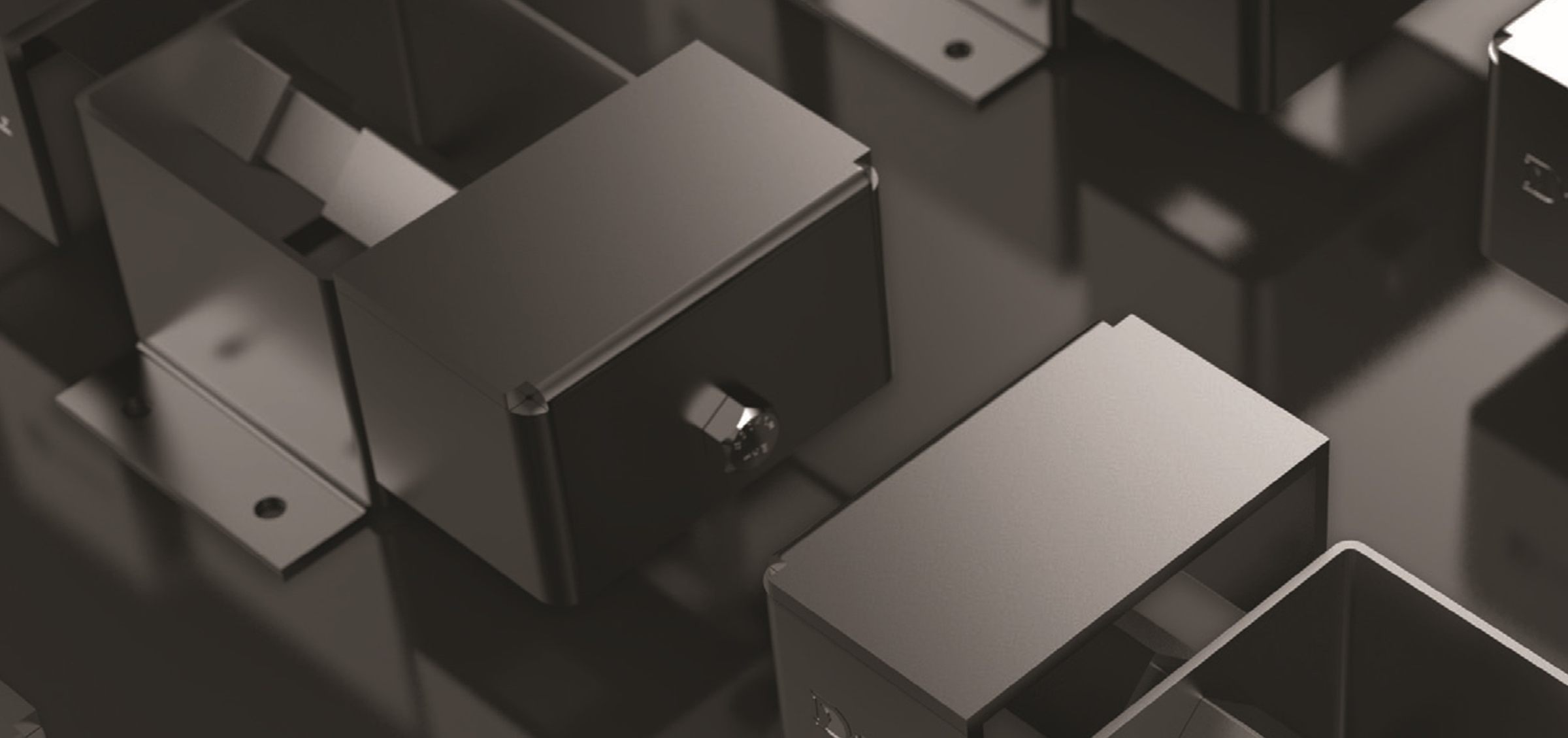
A vibration cable listens for noise and guesses. The D-FENCE sensor measures the actual load on the barrier, so a climber, a cut or a forced entry reads differently from wind, rain or an animal.
A strain-gauge pressure sensor measures real force on the barrier, not a vibration signature.
The sensor recalibrates itself to the environment every second: no manual tuning visits as heat, wind and seasons change.
Cut, climb or forced entry, with zone and coordinate, as a dry contact or a TCP/IP event, straight into PSIM / VMS.
20 plus or minus 10 kilograms. Alarm activation
4 to 15 kilograms. Wind load · no alarm
Under 3 seconds. Contact to alert
Real load in kilograms, as the post feels it. Pick what happens at the fence.
Wind pushes the panels with 4–15 kg. Below the activation force, no alarm.
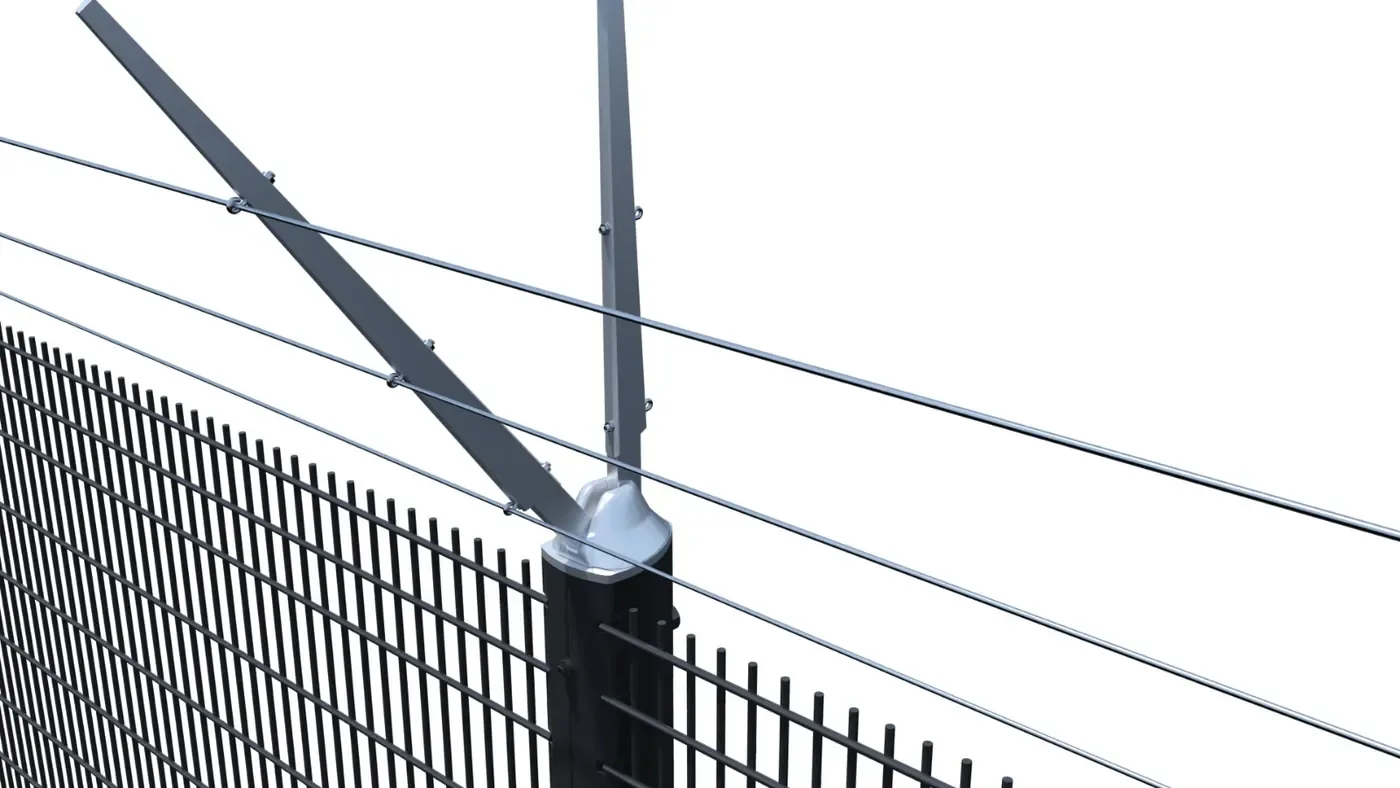
The same sensor rides on every barrier D-FENCE makes, wall crowns, taut wire, concertina, welded mesh, palisade and architectural fences, and on gates, pipelines, valves and cable runs.
Nothing mechanical to wear out or service.
No electrified wires on the line, safe and green.
No scheduled service calls on the sensing line.
Stays on the line outdoors for fifteen years and more.
On the system and the sensors.
Low running cost on every metre of the line.
The lowest cost of ownership for critical sites comes from what the sensor does not need: no moving parts to service, no technician to re-tune it, no replacement cycle for fifteen years and more.
Why it costs less to own
Nothing mechanical to wear out or service.
No manual tuning visits as heat, wind and seasons change.
No scheduled service calls on the sensing line.
Stays on the line outdoors for fifteen years and more.
On the system and the sensors.
No alarm under 4–15 kg wind load, fewer nuisance call-outs.
Low running cost on every metre of the line.
| Criterion | D-FENCEPressure sensing | Infrared | Electrified fence | Electro-mechanical | Vibration cable |
|---|---|---|---|---|---|
| Minimized false alarms (claim) | Yes | No | No | No | No |
| Maintenance-free | Yes | No | No | No | No |
| Lowest failure rate | Yes | No | No | No | No |
| Ultra-low power draw | Yes | Yes | No | No | Yes |
| Real physical barrier | Yes | No | Yes | Yes | No |
| Adapts to animal activity | Yes | No | No | No | No |
| Tolerant of vegetation | Yes | No | No | Yes | No |
| Invisible to hostile recon | Yes | No | No | No | Yes |
| Low fire risk | Yes | Yes | No | Yes | Yes |
| Safe and green | Yes | Yes | No | Yes | Yes |
| Low long-term cost | Yes | No | No | No | No |
| Tailor-made design | Yes | No | No | No | No |
15+ years Outdoor service life
10-year Warranty, system & sensors
4 to 15 kilograms Wind load, no alarm
Every alarm leaves the sensor as a dry contact or a TCP/IP event. D-Command Control fuses it with video and hands it to the PSIM, VMS, BMS or SCADA you already run.