Skip to content
D-FENCE Electronic Fencing and Security Systems Ltd.D-FENCE Electronic Fencing and Security Systems Ltd.

The threat · Intruders climbing over your wall?

D-Pressure Strip

A patented strain-gauge strip under the coping alarms when real weight lands on the wall, and ignores birds, cats and wind.

Patented
20 ± 10 kg activation4–15 kg wind: no alarm< 3 s to alert
Masked intruder gripping a granite wall crown that lights up red as D-Pressure Strip raises an alert

Every climb over the wall, detected at the crown.

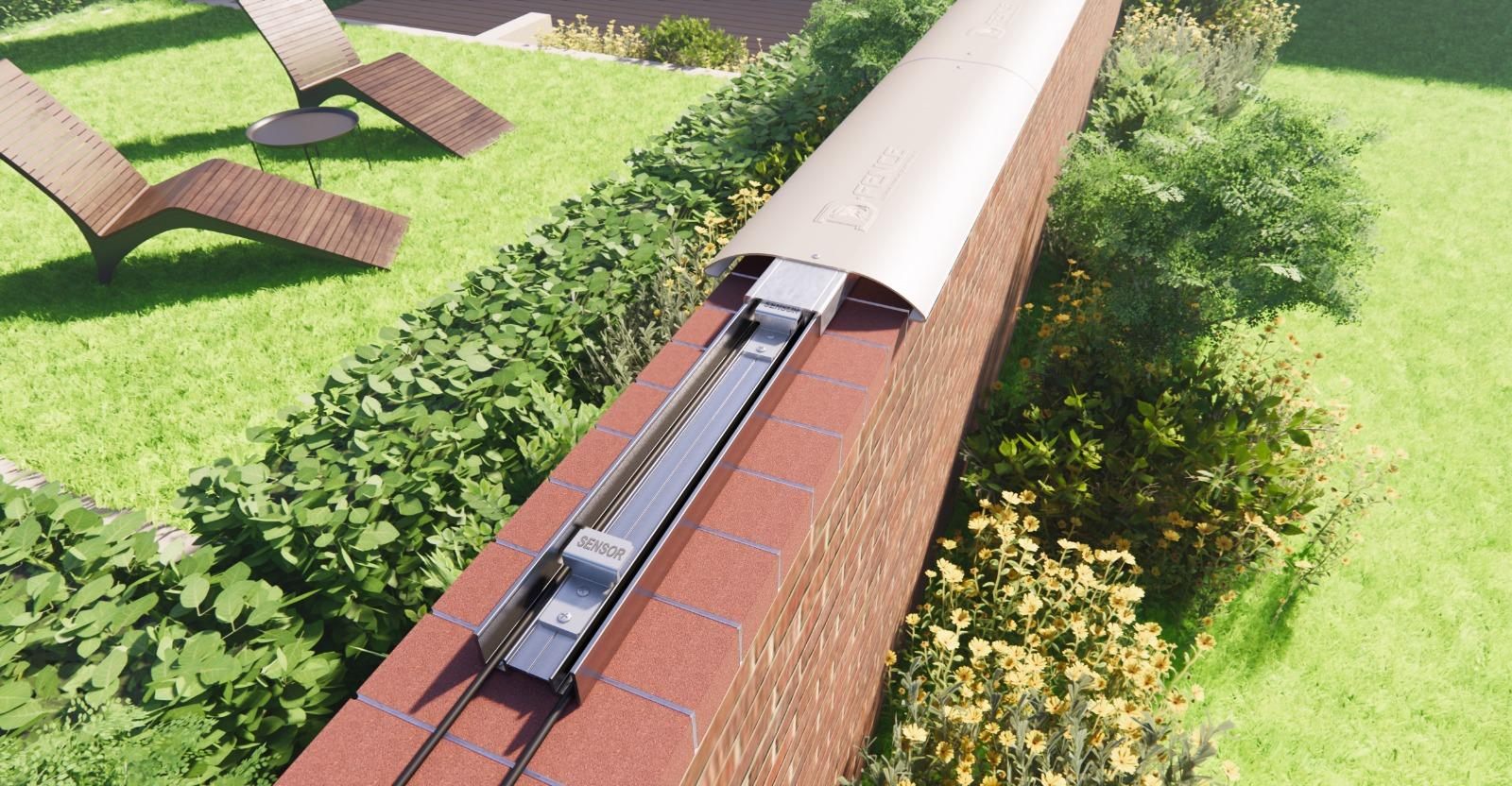
D-Pressure Strip is D-FENCE's core patented sensor: a strain-gauge pressure strip in an aluminium profile, installed under the coping of a wall, fence or gate. It measures the real force on the crown, not vibration.

01

Real weight, not noise

Alarms only above the set activation weight of 20 ± 10 kg; wind loads of 4–15 kg stay silent.

02

Invisible on the wall

Hidden under a coping in stone, marble, metal or wood, so the wall keeps its design.

03

Fit and forget

No moving parts, self-adjusting every second, 15+ years outdoors, 10-year sensor warranty.

Reference loads explain why it stays quiet. A bird weighs 0.1–1.5 kg, a swaying plant pushes 0.5–3 kg, a cat 4.5 kg and typhoon wind 4–15 kg. A person weighs at least 55 kg. The alarm is set at 20 ± 10 kg for each site.

It fits new or existing walls in concrete, stone or wood, and the coping can be finished in marble, stone spray, metal paint or outdoor wood. Catalogue false-alarm rate: less than 1 per km per 3 months.

From the first touch to the right response.

  1. Load on the crown

    A climber's weight presses the coping onto the strain-gauge sensors.

  2. Sensor measures

    The sensor reads the real force and re-zeroes to the environment every second.

  3. Controller decides

    Above the activation weight, the zone alarms in < 3 s.

  4. Alarm out

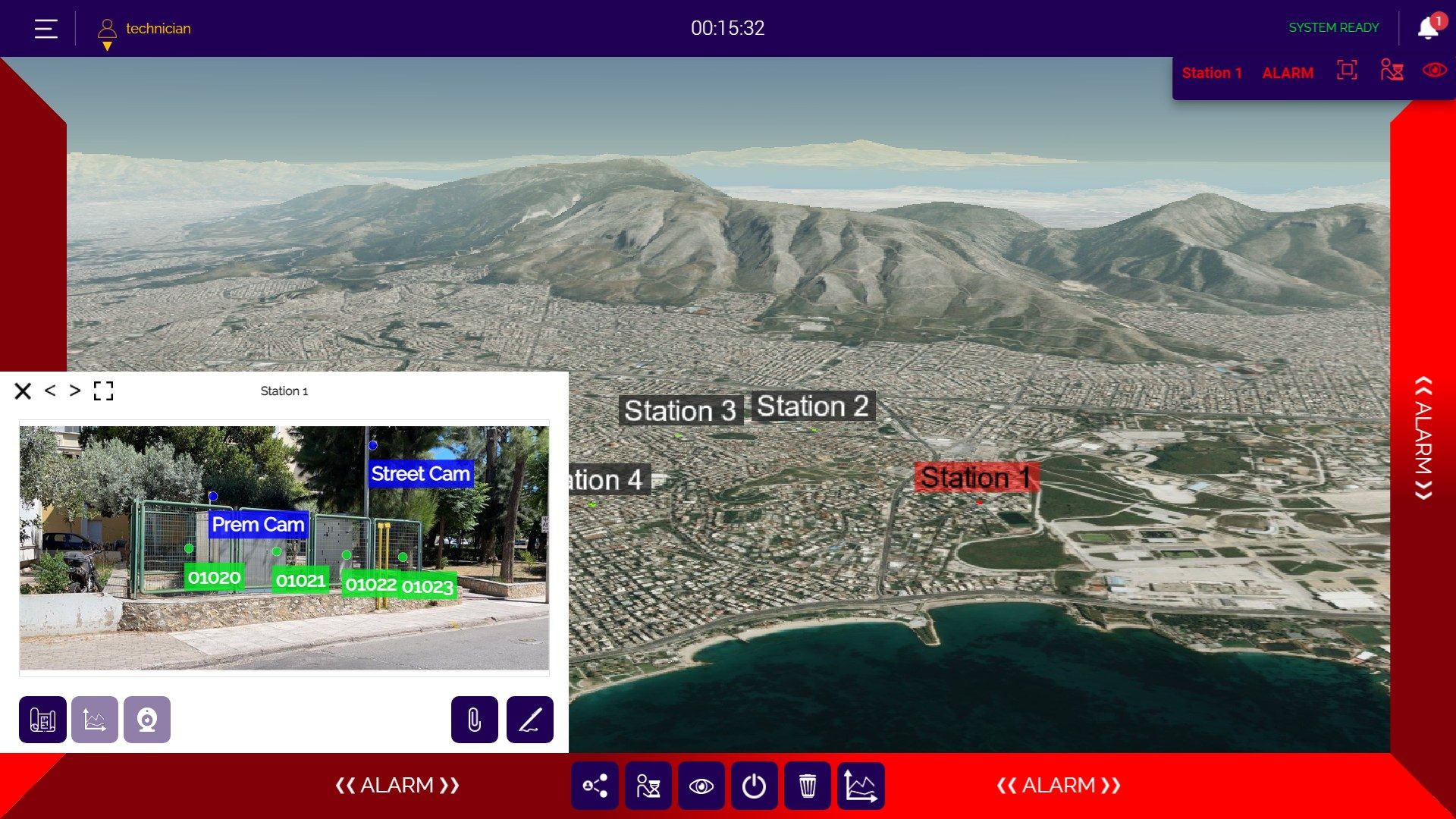
    Dry contact or RS232 / RS485 into your alarm panel, VMS or D-Command Control.

  5. Response

    Cameras, floodlights, siren and the guard's phone react to the exact zone.

Seen in full.

Every image opens full size. Product sheets are shown whole, exactly as D-FENCE publishes them.

See it work.

D-Pressure Strip · 0:05

Climb test on a granite wall crown

A technician grips the crown of a residential granite wall and pulls himself up: the load D-Pressure Strip is set to detect.

Specifications & documents.

SpecificationsD-Pressure Strip
Alarm activation weight
20 ± 10 kg, set per site
Minimum trigger force (datasheet)
Typically 15 kg above the static weight of the cover
No alarm below threshold
Bird 0.1–1.5 kg · swaying plant 0.5–3 kg · cat 4.5 kg
Wind load under typhoon
4–15 kg, no alarm
Minimum weight of a person
55 kg
Alert response time
< 3 s
Cover (coping) weight
Up to 350 kg
Cover height and design
According to customer specification
Fence length
Unlimited
Length of system zone
12–24 m
Standard sensor
250 × 55 × 25 mm, stainless steel / aluminium alloy
Dry contact
N.O. & N.C. 1 A @ 48 VDC
Power supply
12 mA @ 48 VDC
Communication output
RS232 / RS485
Operating temperature
+72 °C to −25 °C
Storage temperature
+80 °C to −55 °C
Humidity
95 %
Corrosion
Anti-corrosion treatment to MIL T 152; all parts stainless steel
Lightning & electronic transients
MIL STD 9094
EMI & RFI
MIL STD 461, 462
False alarm rate (catalogue)
Less than 1 per km per 3 months
MTBF sensor
4.7 × 10⁸ hours
MTTR
30 minutes
Outdoor service life
15+ years
Warranty
10 years on the sensors

Specification text, ready for your tender.

Copy it into your specification. It describes the system by what it must do, so any alternative has to meet every point.

D-Pressure StripTender specification textDatasheet
  1. General

    The system shall be D-Pressure Strip by D-FENCE Electronic Fencing and Security Systems Ltd. (ISO 9001:2015 certified quality management), or an approved equivalent that meets every requirement in this section.

  2. Function

    A patented strain-gauge strip under the coping alarms when real weight lands on the wall, and ignores birds, cats and wind.

  3. The system shall provide

    • Patented strain-gauge sensing: Measures real force on the crown, not vibration.
    • Self-adjusting: Recalibrates to the environment every second.
    • No moving parts: Robust and maintenance-free, 15+ years outdoors.
    • Any wall, fence or gate: New or existing, in concrete, stone, wood or metal.
    • Custom coping: Marble, stone spray, metal paint or outdoor wood; height, width, length and colour to order.
    • Open integration: Dry contact or RS232 / RS485 into alarm panels, VMS, PSIM or D-Command Control.
  4. Technical requirements

    • Alarm activation weight: 20 ± 10 kg, set per site
    • Minimum trigger force (datasheet): Typically 15 kg above the static weight of the cover
    • No alarm below threshold: Bird 0.1–1.5 kg · swaying plant 0.5–3 kg · cat 4.5 kg
    • Wind load under typhoon: 4–15 kg, no alarm
    • Minimum weight of a person: 55 kg
    • Alert response time: < 3 s
    • Cover (coping) weight: Up to 350 kg
    • Cover height and design: According to customer specification
    • Fence length: Unlimited
    • Length of system zone: 12–24 m
    • Standard sensor: 250 × 55 × 25 mm, stainless steel / aluminium alloy
    • Dry contact: N.O. & N.C. 1 A @ 48 VDC
    • Power supply: 12 mA @ 48 VDC
    • Communication output: RS232 / RS485
    • Operating temperature: +72 °C to −25 °C
    • Storage temperature: +80 °C to −55 °C
    • Humidity: 95 %
    • Corrosion: Anti-corrosion treatment to MIL T 152; all parts stainless steel
    • Lightning & electronic transients: MIL STD 9094
    • EMI & RFI: MIL STD 461, 462
    • False alarm rate (catalogue): Less than 1 per km per 3 months
    • MTBF sensor: 4.7 × 10⁸ hours
    • MTTR: 30 minutes
    • Outdoor service life: 15+ years
    • Warranty: 10 years on the sensors
  5. Detection sequence

    1. Load on the crown: A climber's weight presses the coping onto the strain-gauge sensors.
    2. Sensor measures: The sensor reads the real force and re-zeroes to the environment every second.
    3. Controller decides: Above the activation weight, the zone alarms in < 3 s.
    4. Alarm out: Dry contact or RS232 / RS485 into your alarm panel, VMS or D-Command Control.
    5. Response: Cameras, floodlights, siren and the guard's phone react to the exact zone.
  6. Submittals

    Before installation, the contractor shall submit the manufacturer's datasheet, the installation instructions and the zone layout for approval.

Discuss your project.

Tell us the site, the threat and the line. D-FENCE engineers will propose the right barrier, sensor and platform, ready for your integrator.
Build the full line.