Skip to content
D-FENCE Electronic Fencing and Security Systems Ltd.D-FENCE Electronic Fencing and Security Systems Ltd.

The threat · Fence panels cut or scaled without an alarm?

D-Welded Mesh

The strain-gauge sensor is the connector that holds each panel, so any climb or cut changes the load and raises an alarm.

Patented
25 kg above panel weightZones 12–24 m−40 °C to +72 °C
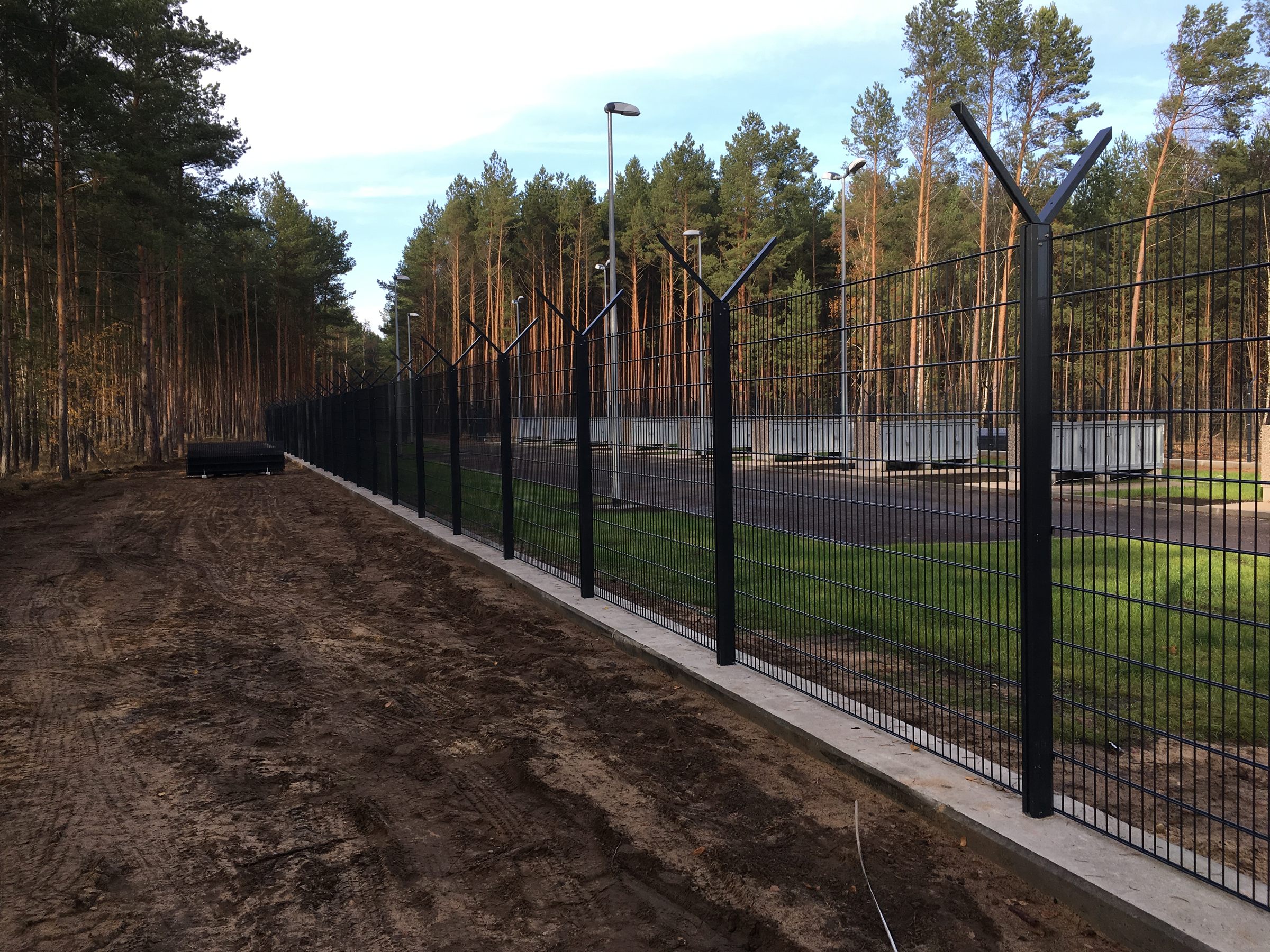
Black double-wire welded-mesh fence with Y-post outriggers running through a pine forest site

A mesh fence that feels every attack.

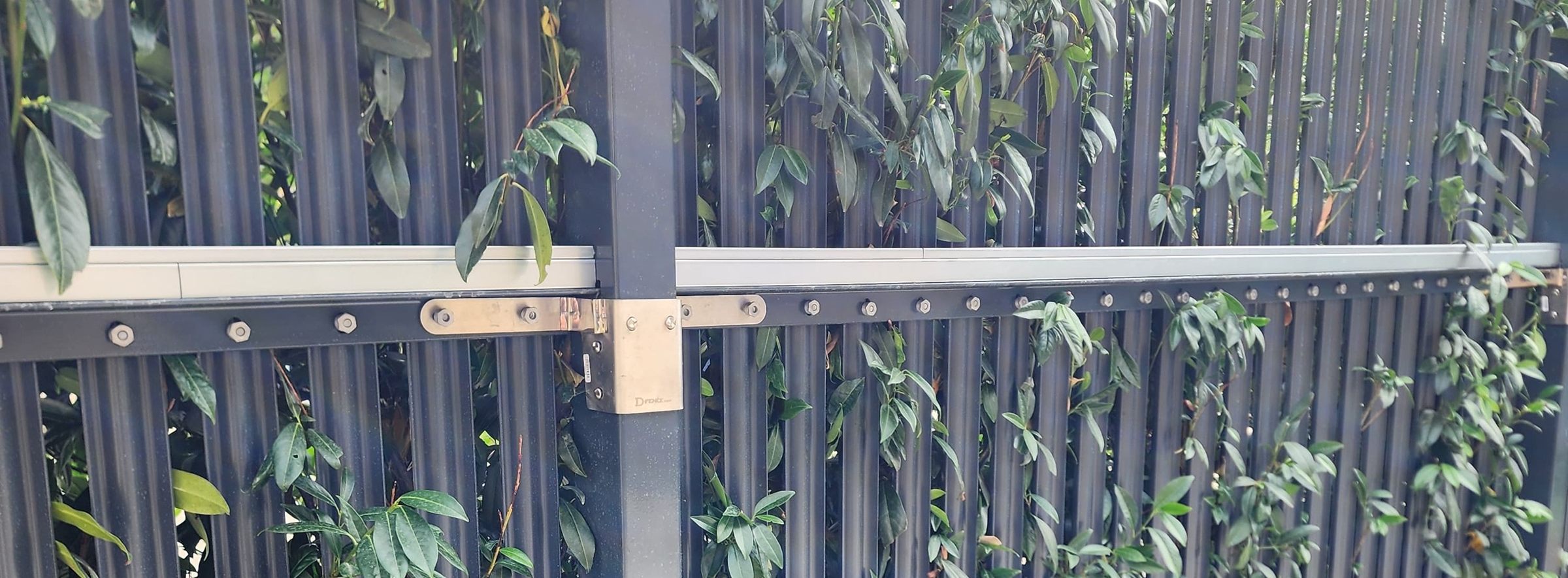
In D-Welded Mesh the strain-gauge sensor is the connector between the mesh panel and the sensor post. Unlike systems added to a fence, such as vibration cables, it is an integral part that holds the panels.

01

Built into the fence

The sensor is the panel connector, not an add-on cable: nothing to bypass, nothing to snag.

02

Tells threat from weather

The controller recalibrates constantly and uses a self-adapting algorithm to filter wind and weather.

03

Any panel, any length

Panels up to 100 kg, unlimited fence length, zones of 12–24 m set to your site.

A controller constantly calibrates the sensor signals and runs a self-adapting algorithm that tells a real attack from wind and weather. Posts are 60 × 60 mm and 2 m high or more, and panels can weigh up to 100 kg.

Used along railways in Germany, at airports, ports, campuses and homes: anywhere the fence has to look ordinary and still report every climb or cut.

From the first touch to the right response.

  1. Sensor as connector

    Each mesh panel hangs on stainless strain-gauge sensors in the sensor posts.

  2. Load change

    A climb or cut adds 25 kg or more above the panel's own weight.

  3. Self-adapting controller

    Signal processing in the posts separates real attacks from wind and weather.

  4. Integration

    Dry contact or RS232 to the alarm system, CCTV, mobile control or D-Command Control.

Seen in full.

Every image opens full size. Product sheets are shown whole, exactly as D-FENCE publishes them.

See it work.

D-Welded Mesh · 0:17

D-Welded Mesh in the showroom

A walk along the anti-cut welded mesh with hardened beams and unique sensor posts, with the live camera wall behind.

Specifications & documents.

SpecificationsD-Welded Mesh
Sensor post
60 × 60 mm, height 2 m or above
Fence length
Unlimited
Mesh panel weight
Up to 100 kg (heavier panels on request)
Mesh height and design
According to customer specification
Length of system zone
12–24 m, or to customer specification
Minimum trigger force
25 kg above the static weight of the mesh (or to specification)
Dry contact
N.C. & N.O. 1 A @ 48 VDC
Power supply
12–50 mA @ 48 VDC
Communication output
RS232 serial interface
Operating temperature
+72 °C to −40 °C
Storage temperature
+80 °C to −55 °C
Humidity
98 %
Corrosion
MIL T 152 treatment; all parts stainless steel
Lightning & electronic transients
MIL STD 9094
EMI & RFI
MIL STD 461, 462
False alarm rate (catalogue)
Less than 1 per km per 3 months
MTBF sensor
4.7 × 10⁸ hours
MTTR
30 minutes
Warranty
10 years on the sensors

Specification text, ready for your tender.

Copy it into your specification. It describes the system by what it must do, so any alternative has to meet every point.

D-Welded MeshTender specification textDatasheet
  1. General

    The system shall be D-Welded Mesh by D-FENCE Electronic Fencing and Security Systems Ltd. (ISO 9001:2015 certified quality management), or an approved equivalent that meets every requirement in this section.

  2. Function

    The strain-gauge sensor is the connector that holds each panel, so any climb or cut changes the load and raises an alarm.
  3. The system shall provide

    • Integral sensor: The strain-gauge sensor is the connector between panel and post.
    • Concealed: Sensors are hidden in the posts; the fence looks ordinary.
    • Vandal-proof: Tamper-resistant and immune to environmental changes.
    • Processing in the posts: Digital analysis against a defined intrusion profile.
    • Modular: Easy to install, with unlimited panel options.
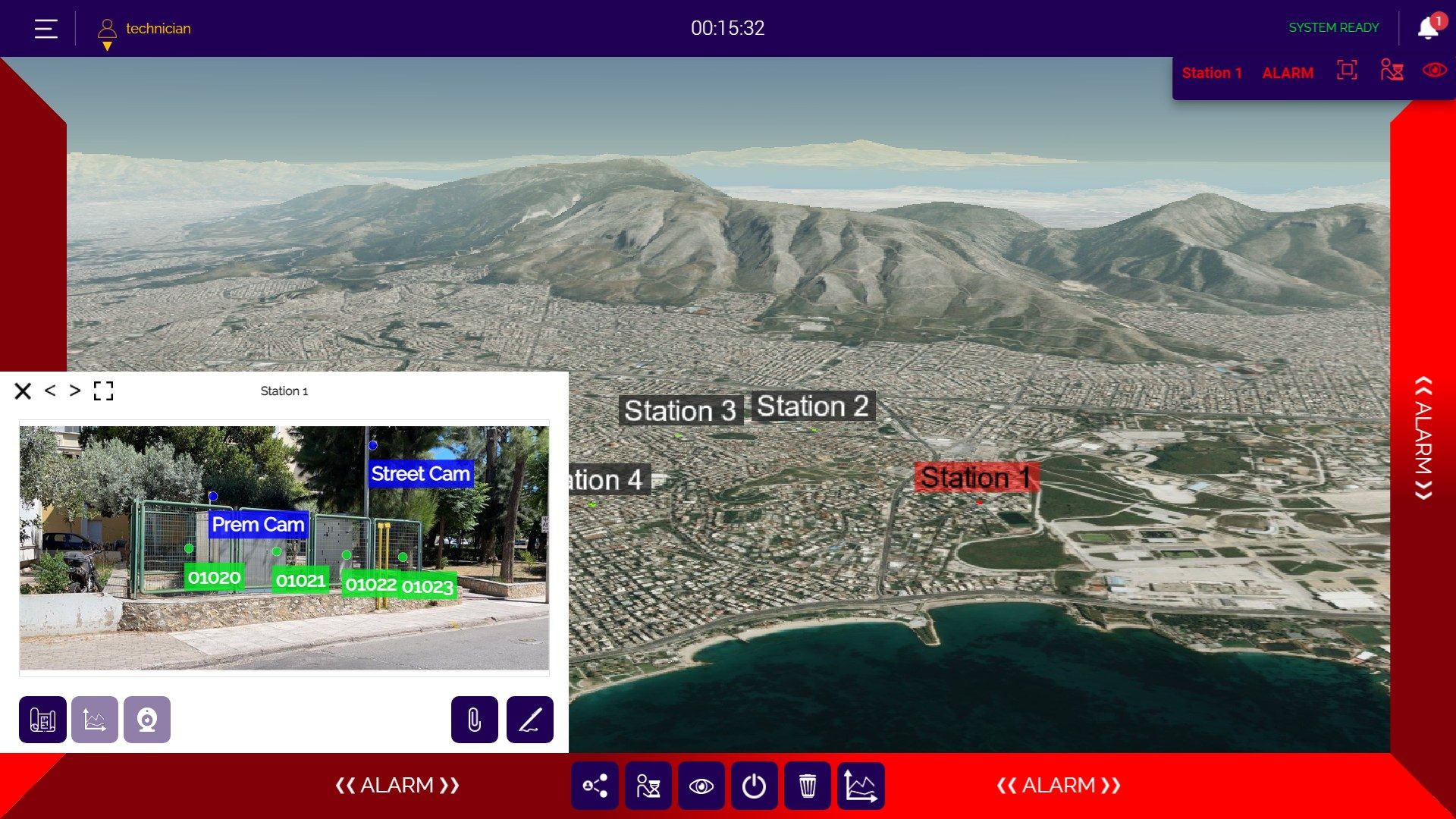
    • Integration: Smart Security Platform, siren, CCTV, mobile control and 24/7 central alarm.
  4. Technical requirements

    • Sensor post: 60 × 60 mm, height 2 m or above
    • Fence length: Unlimited
    • Mesh panel weight: Up to 100 kg (heavier panels on request)
    • Mesh height and design: According to customer specification
    • Length of system zone: 12–24 m, or to customer specification
    • Minimum trigger force: 25 kg above the static weight of the mesh (or to specification)
    • Dry contact: N.C. & N.O. 1 A @ 48 VDC
    • Power supply: 12–50 mA @ 48 VDC
    • Communication output: RS232 serial interface
    • Operating temperature: +72 °C to −40 °C
    • Storage temperature: +80 °C to −55 °C
    • Humidity: 98 %
    • Corrosion: MIL T 152 treatment; all parts stainless steel
    • Lightning & electronic transients: MIL STD 9094
    • EMI & RFI: MIL STD 461, 462
    • False alarm rate (catalogue): Less than 1 per km per 3 months
    • MTBF sensor: 4.7 × 10⁸ hours
    • MTTR: 30 minutes
    • Warranty: 10 years on the sensors
  5. Detection sequence

    1. Sensor as connector: Each mesh panel hangs on stainless strain-gauge sensors in the sensor posts.
    2. Load change: A climb or cut adds 25 kg or more above the panel's own weight.
    3. Self-adapting controller: Signal processing in the posts separates real attacks from wind and weather.
    4. Integration: Dry contact or RS232 to the alarm system, CCTV, mobile control or D-Command Control.
  6. Submittals

    Before installation, the contractor shall submit the manufacturer's datasheet, the installation instructions and the zone layout for approval.

Discuss your project.

Tell us the site, the threat and the line. D-FENCE engineers will propose the right barrier, sensor and platform, ready for your integrator.
Build the full line.